Dissolved oxygen (DO), the amount of oxygen dissolved in water and expressed in mg/L, is a common control parameter in wastewater treatment, It directly affects treatment performance and operating costs.
Its importance is mainly reflected in the following aspects.
1. Low Dissolved Oxygen
1. Reduced microbial activity. Below 1 mg/L, aerobic microorganisms become oxygen-limited and cannot effectively degrade organic matter. Ammonia nitrogen removal efficiency drops sharply, leading to effluent ammonia nitrogen exceedance.
2. Deterioration of sludge characteristics. The system enters anoxic or anaerobic conditions. Sludge turns gray or black, and problems such as putrid sludge, sludge bulking, sludge carryover from the secondary clarifier, and effluent suspended solids exceedance may occur.
3. Process imbalance. An anoxic environment inhibits nitrification, affects total nitrogen removal, and may even cause offensive odors.
2. Effects of Excessive Dissolved Oxygen
1. Energy waste. Excessive aeration increases blower power consumption and raises operating costs.
2. Sludge aging and disintegration. Sludge becomes over-oxidized, with a loose structure and poor settleability, and even sludge flotation. When sludge concentration is low, sludge disintegration is more likely, and fine particles may be lost with the effluent.
3. Disruption of the nitrogen removal balance. Excessive DO disrupts the process environment in the anaerobic/anoxic zones and impairs denitrification.
4. Effluent turbidity. Excessive DO may result in turbid effluent and even exceedance of discharge standards.
3. Key DO Control Points
1. Zone-specific control. DO requirements vary by process zone: approximately 2–3 mg/L in the aerobic zone, <0.5 mg/L in the anoxic zone, and <0.3 mg/L in the anaerobic zone.
2. Dynamic adjustment. The aeration rate should be adjusted flexibly according to influent load, water temperature, and mixed liquor suspended solids (MLSS). High influent load and high MLSS conditions call for increased aeration; conversely, low levels of both require reduced aeration to prevent over-aeration.
4. Monitoring Methods
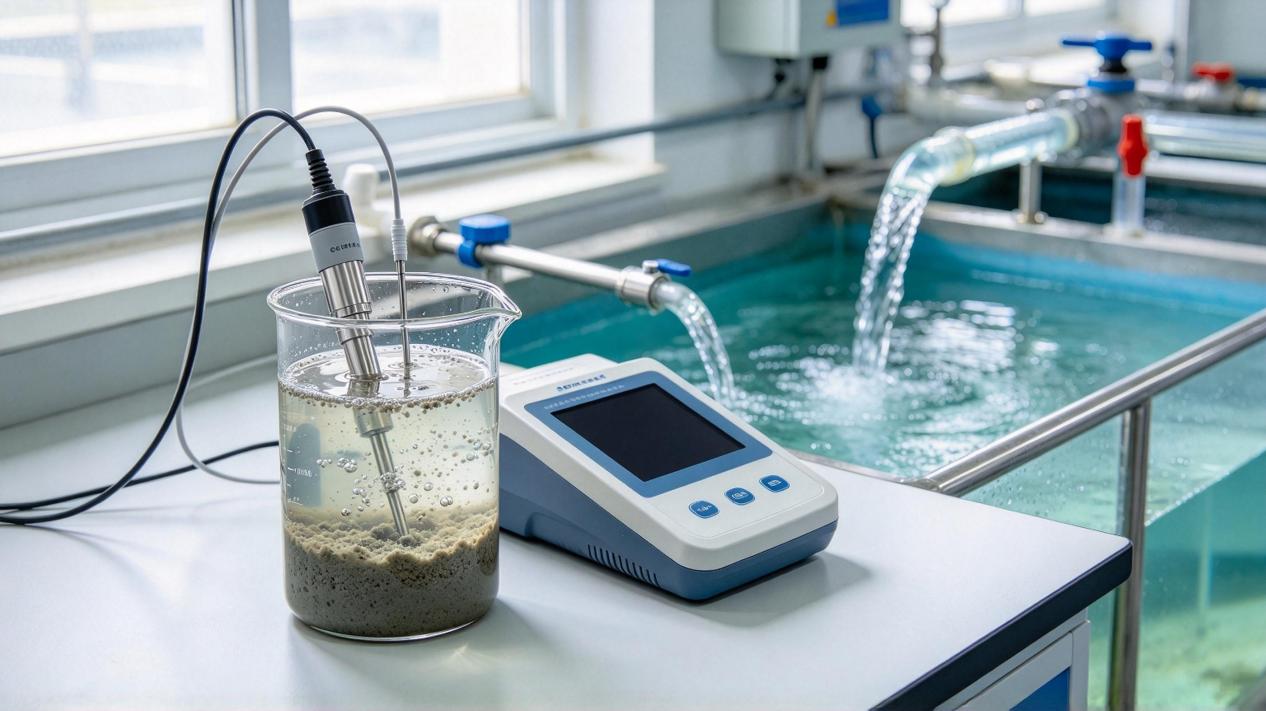
DO should be monitored in real time. DO levels can be controlled by adjusting blower air flow, the speed or immersion depth of rotating disc/brush aerators. Monitoring methods include the electrochemical probe method and the fluorescence method. The fluorescence method is widely used because it requires no calibration and offers high resistance to interference.
DO is not "the higher, the better." The core objective is to balance treatment efficiency and energy consumption-ensuring normal microbial metabolism while avoiding unnecessary waste. The control range should be adjusted according to the specific process and influent conditions rather than applied uniformly.