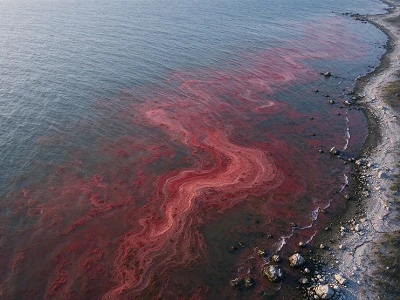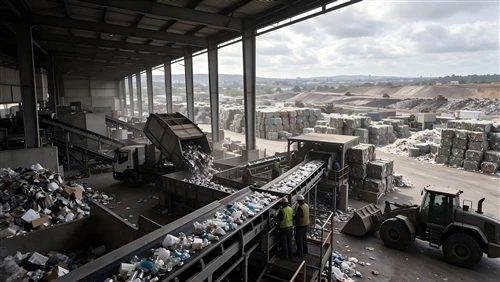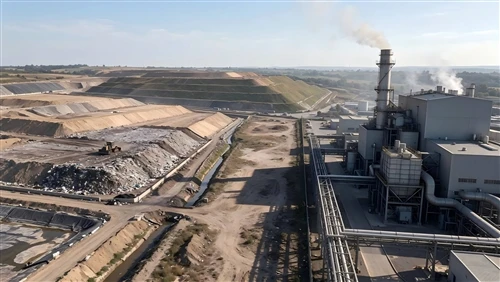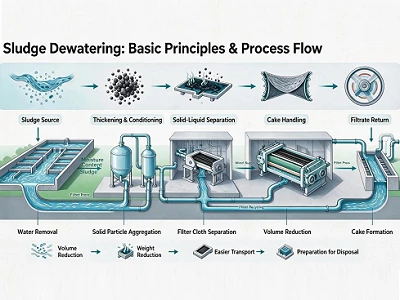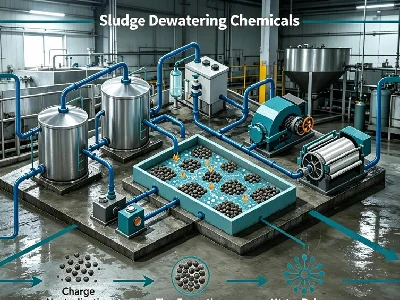
In wastewater treatment, common processes such as decolorization, heavy metal removal, and suspended solids (SS) removal generally produce sludge. Sludge dewatering is therefore a supporting downstream process in wastewater treatment. It is a treatment method that removes water from fluid sludge and converts it into a semi-solid or solid sludge cake. After dewatering, the moisture content can be reduced to 55%–85%, facilitating transport and subsequent disposal.
1. What Sludge Dewatering Is
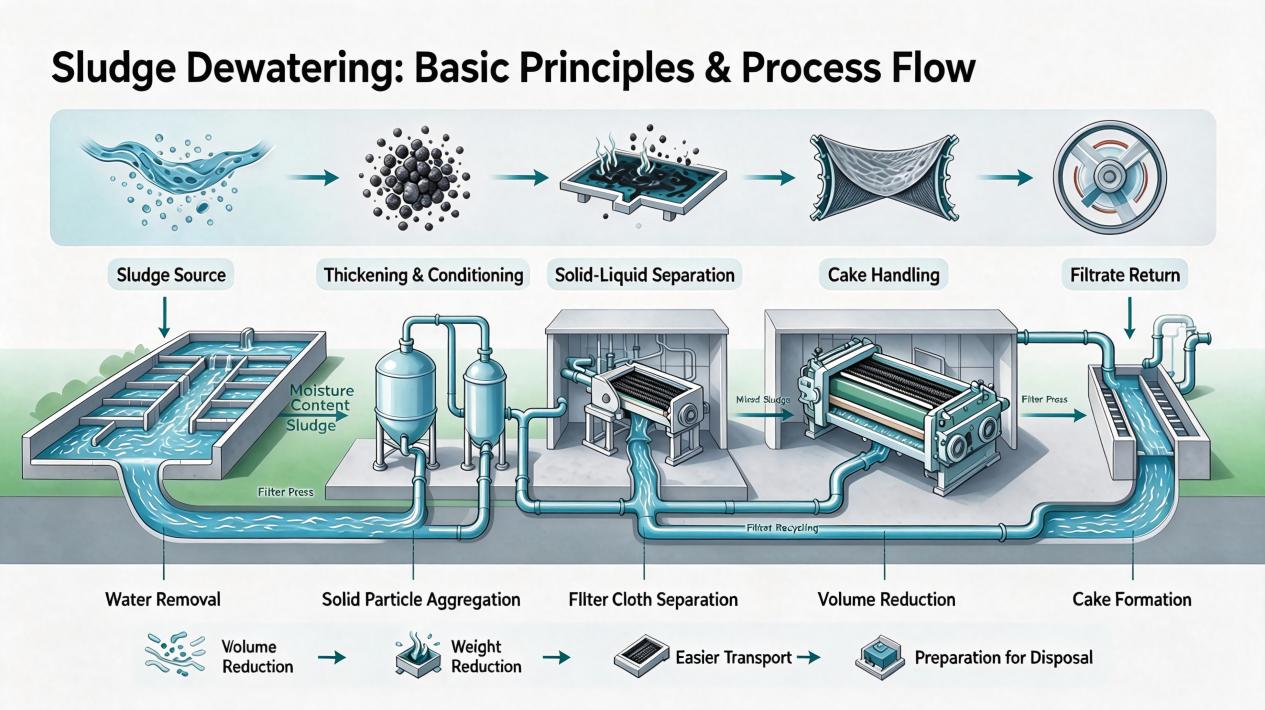
Definition and purpose: Sludge dewatering is a sludge treatment method that removes water from fluid raw, thickened, or digested sludge generated at wastewater treatment plants and converts it into a semi-solid or solid sludge cake. After dewatering, the sludge is no longer liquid and can be handled as a solid material, greatly reducing its volume for transport and disposal.
2. Basic Principles
Water in sludge occurs mainly in four forms:
1)Free water: water present in the voids between sludge flocs, accounting for about 70%, and separable by gravity settling;
2)Capillary water: water around fine sludge particles, accounting for about 20%, and requiring centrifugal force or pressure for separation;
3)Adsorbed water: water attached to particle surfaces, requiring higher pressure for separation;
4)Intracellular water: bound water within particles, requiring changes in chemical structure for separation.
3. Sludge Treatment Stages
Stage 1: sludge thickening-preliminary volume reduction to reduce the required capacity of downstream treatment equipment.
Stage 2: sludge digestion-degradation of organic matter to achieve stabilization and harmlessness.
Stage 3: sludge dewatering-further volume reduction, with the volume reducible to approximately one-tenth to one-twentieth of the original.
Stage 4: sludge disposal-landfill, incineration, agricultural and forestry use, or production of building materials.
4. Selection of Auxiliary Equipment
1) Belt filter press: The sludge layer is carried between the upper and lower filter belts under tension and dewatered by S-shaped squeezing through rollers. Advantages: minimal sensitivity to sludge load fluctuations; low sludge cake moisture content (55%–70%); stable operation; energy-efficient operation; simple management and control. Disadvantages: poor adaptability to mixed sludge and biological sludge; high backwash water consumption; need for periodic filter belt replacement. Application: large and medium-sized wastewater treatment plants; widespread use in newly built wastewater treatment plants in China.
2) Plate-and-frame filter press: In a closed state, sludge is pumped in at high pressure and squeezed through the plates and frames, and water is discharged through the filter cloth. Advantages: highest cake solids content, with moisture content reducible to 45%–65%; high filtration driving force. Disadvantages: intermittent operation with low efficiency; large footprint; poor operating environment; risk of secondary pollution. Application: the preferred option for reducing the land area required for sludge storage.
3) Centrifugal dewatering machine: Composed of a bowl and a screw conveyor; high-speed rotation generates centrifugal force for solid-liquid separation. Advantages: continuous production and automatic control; good sanitary conditions; small footprint. Disadvantages: high energy consumption; high noise due to high rotational speed; relatively high requirements for sludge pretreatment. Application: all three sludge types; scenarios with high sanitary requirements.
4) Multi-disc screw press dewatering machine: Fixed rings and moving rings are stacked, with a screw shaft running through them to form the filtration body; dewatering is achieved through gravity thickening and internal pressure. Advantages: small size; water and energy savings (water savings of 13,000 tonnes/year per unit); minimal clogging risk; low noise (≤45 dB); automatic unattended operation. Disadvantages: first-generation models have relatively low throughput; second-generation models double the treatment capacity but still lag behind large filter presses. Application: small and medium-sized wastewater treatment scenarios and sites with high requirements for the operating environment.