The United States has established a comprehensive solid waste treatment and disposal system covering policies and regulations, diverse treatment technologies, and tiered management. It is centered on the goals of reduction, resource utilization, and harmless disposal.
1. Current Status of Basic Disposal
In 2018, total municipal solid waste generation in the United States reached 2.924 million tonnes, with a per capita daily generation of 4.9 pounds. Total recycling and composting amounted to about 94 million tonnes, for a combined recycling and composting rate of 32.1%. The United States still has more than 2,600 municipal waste landfills, of which more than 540 are equipped with methane collection and utilization facilities.
2. Core Policy and Regulatory System
The U.S. Environmental Protection Agency has long published the report Advancing Sustainable Materials Management: Facts and Figures, continuously tracking data across the entire solid waste generation, recycling, and disposal process. The Pollution Prevention Act, enacted in 1990, requires enterprises using highly toxic chemicals to report toxic waste disposal annually. The accompanying Emergency Planning and Community Right-to-Know Act requires enterprises to disclose information related to the environmental impacts of toxic chemical substances. States may formulate detailed local rules; Minnesota, for example, has established a three-tier state–county–city solid waste management approval system.
3. Mainstream Solid Waste Treatment Technologies
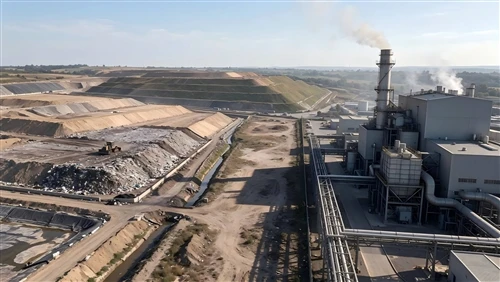
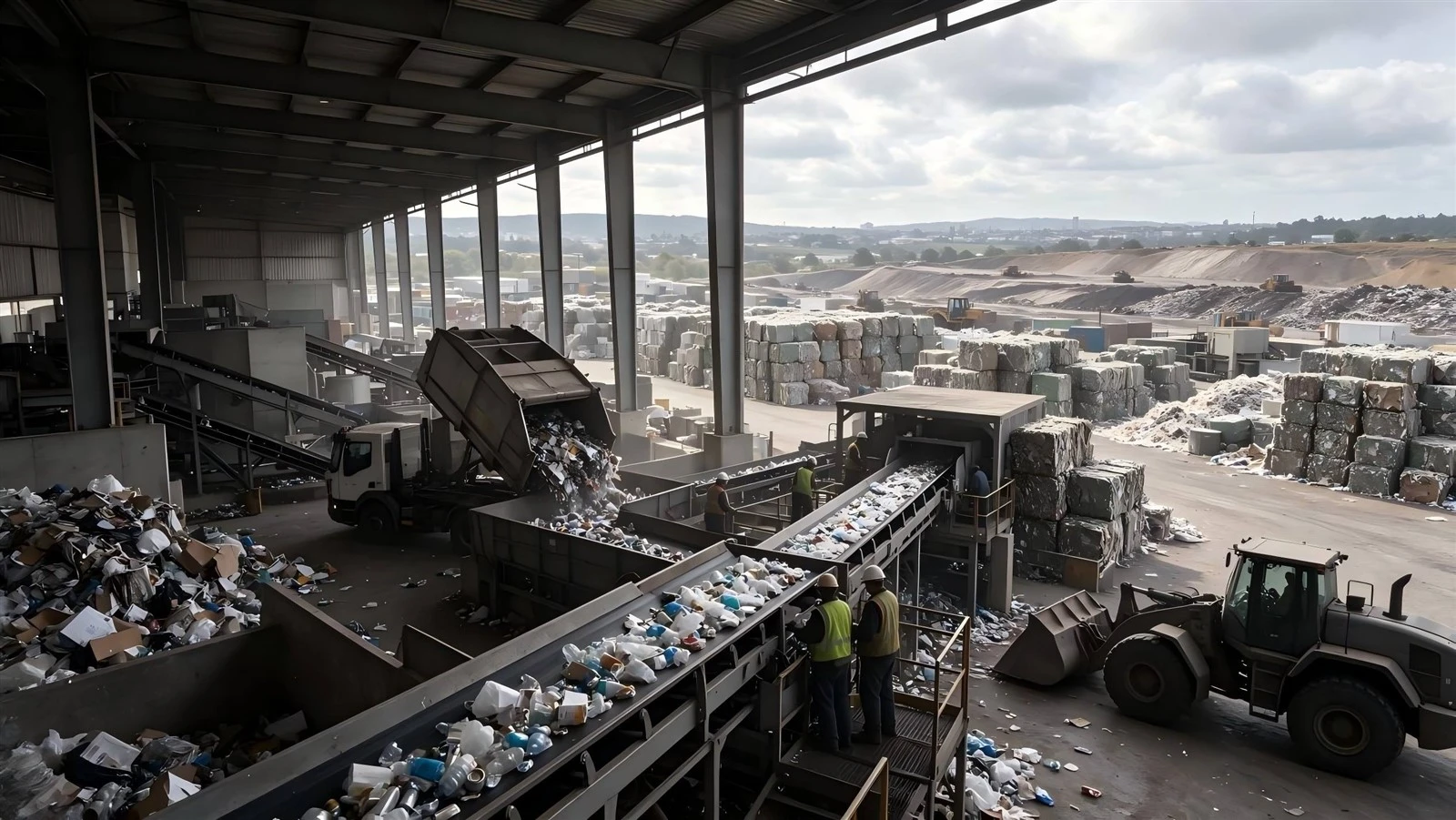
Sanitary landfill: As the basic backstop disposal method, it is equipped with multi-layer impermeable liners, leachate collection, and landfill gas methane recovery systems to strictly control environmental risks.
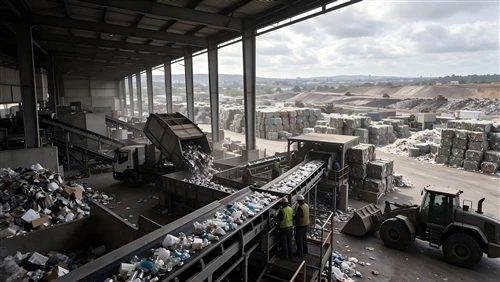
Recycling: It focuses on glass, metals, plastics, paper, and other categories. Source separation greatly reduces subsequent treatment costs.
Composting: Food waste, yard waste, and other organic waste are converted into soil amendments. Mature community and commercial composting service networks have been formed across the United States.
Waste-to-energy incineration: Under strict flue gas purification standards, waste volume reduction is achieved while heat is recovered for power generation or heating.
Innovative technologies: Low-energy technologies such as solar-powered solid waste treatment are promoted to reduce energy consumption and pollutant emissions during disposal.
4. Tiered Management and Distinctive Mechanisms
Minnesota assigns primary responsibility for solid waste management to 87 counties. Each county develops a local management plan and submits it to the Minnesota Pollution Control Agency for approval. A differentiated solid waste tax mechanism is implemented: the residential waste service tax rate is 9.75%, and the commercial waste service tax rate is 17%. Some areas levy an additional dedicated landfill tax. Special categories of solid waste are subject to dedicated controls; waste tires, mercury-containing products, and appliances containing polychlorinated biphenyls (PCBs) require separate compliant disposal and are prohibited from entering the ordinary waste stream.
In 2026, multiple states updated their recycling regulations. Oregon expanded the scope of e-waste recycling to include game consoles, routers, and other devices.