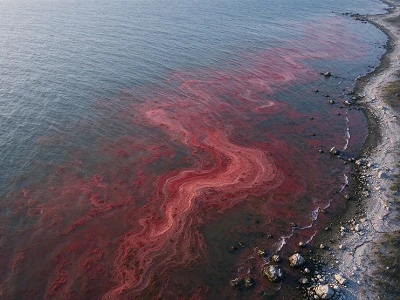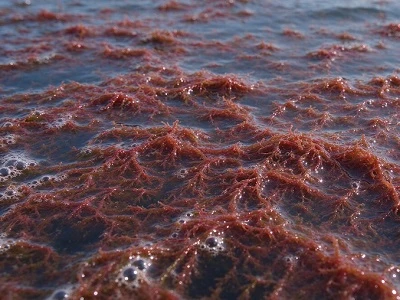
Ammonia nitrogen exceeding standards is a common problem at many sites, such as chemical synthesis, coking, aquaculture, and others. Excessive ammonia nitrogen leads to water eutrophication and harms aquatic ecosystems and human health. Considering current technologies and overall costs, the common methods for ammonia nitrogen exceeding standards mainly include the following:
I. Ultra-high concentration ammonia nitrogen (≥500 mg/L): Struvite precipitation method
This method essentially uses magnesium ions, ammonium ions, and phosphate ions to form sparingly soluble magnesium ammonium phosphate (MgNH₄PO₄·6H₂O) crystals under alkaline conditions, converting nitrogen and phosphorus in wastewater from dissolved forms into solid precipitates for separation, thereby achieving nitrogen and phosphorus removal and resource recovery.
Reaction principle: The core is that the three ions react at a molar ratio close to 1:1:1 under suitable pH conditions to form struvite precipitate:
Mg²⁺ + NH₄⁺ + PO₄³⁻ + 6H₂O → MgNH₄PO₄·6H₂O↓
Wastewater itself contains ammonia nitrogen and phosphate. Usually, additional magnesium salts (such as magnesium chloride) need to be dosed, and then alkali solution is used to adjust the pH to around 8.5–9.5, allowing the solution to reach supersaturation so that crystals nucleate, grow, and precipitate. This method requires precipitation equipment or sludge-water separation equipment. Although the precipitate has economic value, selection should be differentiated based on water quality.
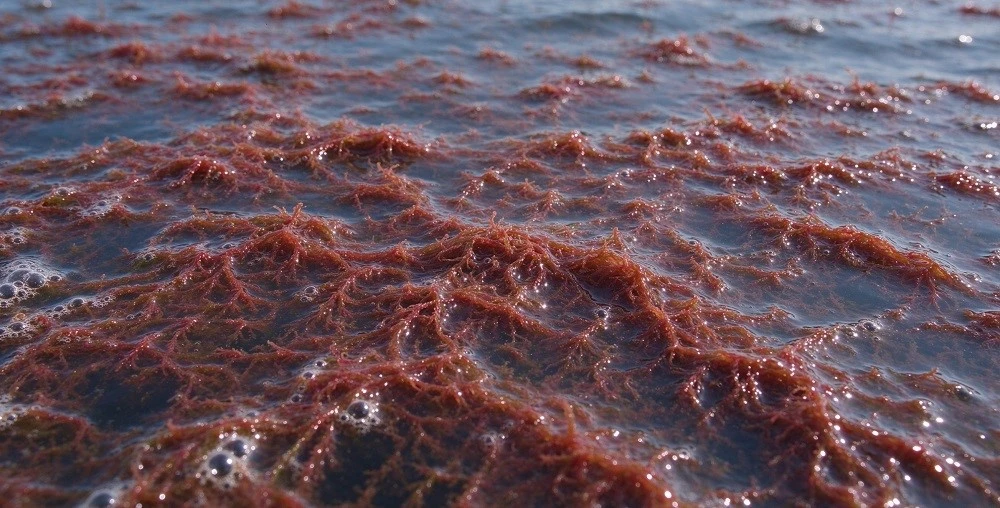
II. Conventional concentration (10–100 mg/L): Microbial method
Basically, this considers the microbial method, i.e., the combination of nitrifying bacteria and denitrifying bacteria. Nitrification oxidizes ammonia nitrogen into nitrate, with the overall reaction equation:
NH₄⁺ + 2O₂ → NO₃⁻ + 2H⁺ + H₂O
Denitrification reduces nitrate into nitrogen gas, with the overall reaction equation:
6NO₂⁻ + 3CH₃OH → 3N₂ + 3CO₂ + 3H₂O + 6OH⁻
The latest technology promoted is red bacteria (anaerobic ammonia-oxidizing bacteria). The reaction principle is that under anaerobic conditions, ammonia is used as an electron donor and nitrate or nitrite as an electron acceptor, oxidizing ammonia into nitrogen gas. The equation is expressed as:
NH₄⁺ + NO₂⁻ → N₂ + 2H₂O
This bacterial strain has higher cost-effectiveness for ammonia nitrogen removal, but due to limitations of on-site water quality and process conditions, it has not yet been widely popularized. The biological method generally requires considerable on-site infrastructure engineering, but its operating cost is relatively high. It is currently the mainstream process.
III. Low concentration (1–50 mg/L): Oxidation-reduction method
This can consider the oxidation-reduction method, i.e., sodium hypochlorite-type oxidants, which react with ammonia nitrogen to generate nitrogen gas for discharge. The reaction equation is expressed as:
2NH₄⁺ + 3ClO⁻ = N₂↑ + 3Cl⁻ + 3H₂O + 2H⁺
This method has a very good treatment effect at low concentrations. However, due to the oxidizing nature of sodium hypochlorite, there are requirements for on-site chemical dosing conditions and downstream process integration. It can only serve as a supplement to the biological method.
IV. Ultra-low concentration (1–10 mg/L): Activated carbon adsorption method
This can consider the activated carbon adsorption method, i.e., using activated carbon, zeolite powder, etc., with ultra-high specific surface area to adsorb ammonia nitrogen in sewage, and then performing sludge-water separation to reduce the ammonia nitrogen value. This method is suitable for ultra-low concentration ammonia nitrogen treatment, but the treatment cost is relatively high. It is suitable for sites with few supporting process equipment and relatively strict requirements.
The above are common treatment processes for ammonia nitrogen exceeding standards. However, according to different sites, different requirements, cost-effectiveness, etc., air stripping, reverse osmosis, various process combinations, and others can also be considered.