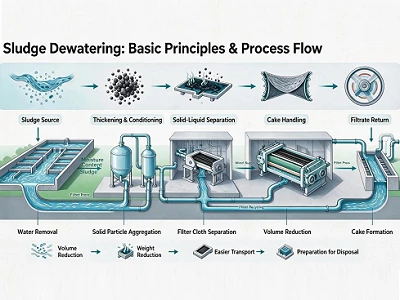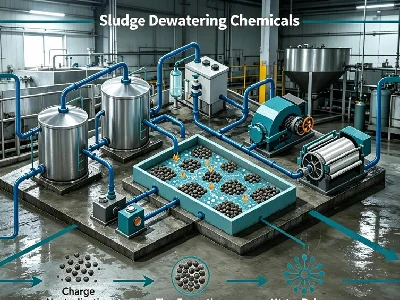
In wastewater treatment, sludge forms sludge cake after dewatering and is classified as solid waste under pollutant category classification. According to different hazard levels, it is divided into ordinary solid waste and hazardous waste. The disposal methods for these two types of waste differ significantly.
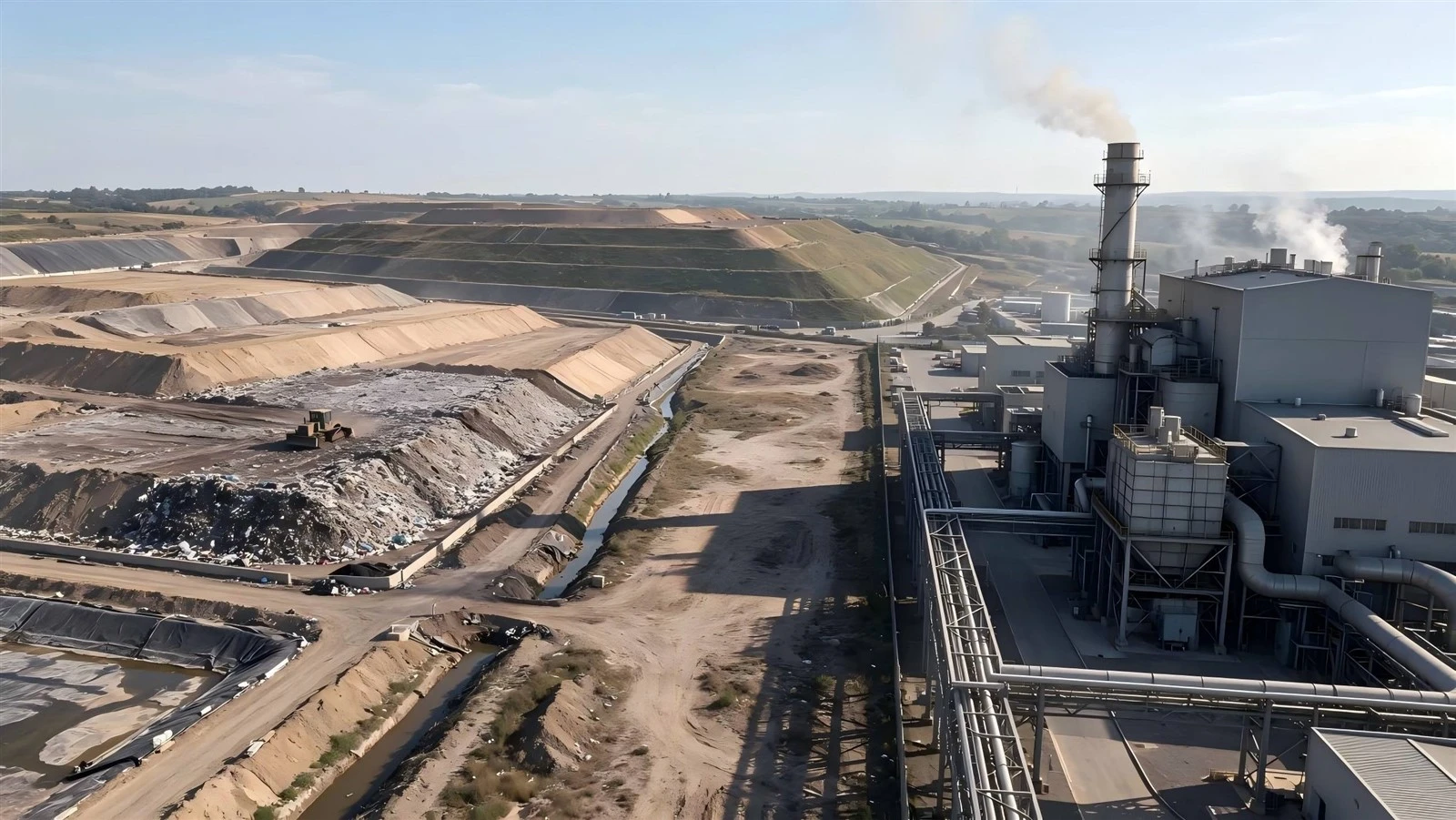
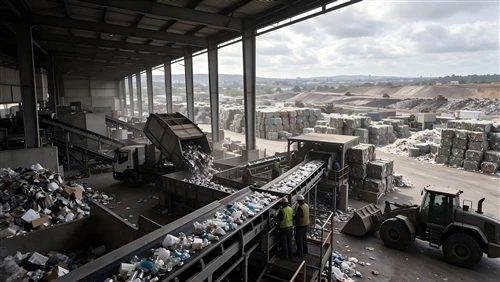
Ordinary solid waste mainly includes sludge cake with low hazardous substance content from coal mining, sand washing, municipal, papermaking, and other sources. According to different indicators, it is divided into different disposal methods. For sludge cake from sites such as sand washing and coal mining, high inorganic content and lack of calorific value make backfilling or reuse as building materials the main disposal methods.For papermaking sludge with relatively high calorific value, incineration for power generation can be considered. For ordinary municipal, livestock, and slaughterhouse sludge with relatively low calorific value and good biodegradability, composting and agricultural use can be considered.
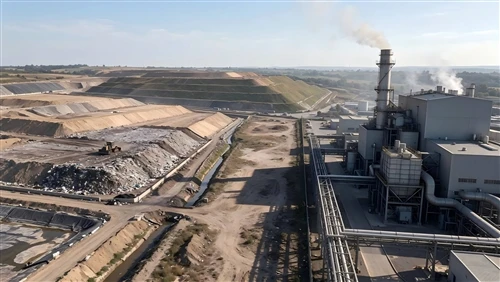
Hazardous waste mainly comes from chemical industry, pharmaceutical, smelting, metal products, and other sectors; such sludge contains metals, toxic substances, and other components and cannot be treated simply. According to different parameter indicators, the main disposal methods for this type of sludge are as follows. For sludge cake from smelting and other sources with high iron and aluminum content, purification and reuse in production can be considered. For highly toxic sludge cake from pharmaceutical intermediates, high-temperature catalytic decomposition is generally carried out, followed by further treatment of the residues after catalytic decomposition. For heavy-metal sludge cake, chelation can be considered to prevent heavy metal leaching, followed by landfill or combined incineration treatment.
Regardless of how sludge cake is classified and disposed of, subsequent disposal in each country must generally comply with national laws and regulations and be handled by legitimate and qualified disposal companies.
In wastewater treatment, sludge forms sludge cake after dewatering and is classified as solid waste under pollutant category classification. According to different hazard levels, it is divided into ordinary solid waste and hazardous waste. The disposal methods for these two types of waste differ significantly.
Ordinary solid waste mainly includes sludge cake with low hazardous substance content from coal mining, sand washing, municipal, papermaking, and other sources. According to different indicators, it is divided into different disposal methods. For sludge cake from sites such as sand washing and coal mining, high inorganic content and lack of calorific value make backfilling or reuse as building materials the main disposal methods.For papermaking sludge with relatively high calorific value, incineration for power generation can be considered. For ordinary municipal, livestock, and slaughterhouse sludge with relatively low calorific value and good biodegradability, composting and agricultural use can be considered.
Hazardous waste mainly comes from chemical industry, pharmaceutical, smelting, metal products, and other sectors; such sludge contains metals, toxic substances, and other components and cannot be treated simply. According to different parameter indicators, the main disposal methods for this type of sludge are as follows. For sludge cake from smelting and other sources with high iron and aluminum content, purification and reuse in production can be considered. For highly toxic sludge cake from pharmaceutical intermediates, high-temperature catalytic decomposition is generally carried out, followed by further treatment of the residues after catalytic decomposition. For heavy-metal sludge cake, chelation can be considered to prevent heavy metal leaching, followed by landfill or combined incineration treatment.
Regardless of how sludge cake is classified and disposed of, subsequent disposal in each country must generally comply with national laws and regulations and be handled by legitimate and qualified disposal companies.