pH is a commonly used measure of acidity and alkalinity with regulatory limits in most countries generally set at 6–9.

In wastewater treatment, the critical role of pH is mainly reflected in the following aspects.
1. Impact on Biological Treatment Systems
1. Regulation of microbial activity. The optimal pH for most bacteria and protozoa is 6.5–7.5. Actinomycetes prefer a slightly alkaline environment of pH 7.5–8, while yeasts and molds are suited to acidic conditions of pH 5–6. When pH falls outside the optimal range, it directly alters the charge on microbial cell membranes, reduces metabolic enzyme activity, and inhibits nutrient uptake.
2. Destructive effects of extreme pH. At pH below 6, protozoan activity declines and molds proliferate rapidly, becoming the dominant species. The activated sludge structure then becomes loose, increasing the likelihood of filamentous sludge bulking. At pH above 9, zoogloeal flocs disintegrate, and microorganisms die in large numbers. As a result, effluent suspended solids increase sharply, and water quality deteriorates.
3. Impact on specific biochemical reactions. Nitrifying bacteria are highly sensitive to pH and exhibit maximum activity only under neutral to slightly alkaline conditions. At pH below 6 or above 9.6, nitrification is completely inhibited and tends to cease.
2. Impact on Physicochemical Treatment Processes
1. Flocculation and sedimentation performance. Different types of flocculants are suited to specific pH ranges. Anionic flocculants perform best at pH 7–9, whereas cationic flocculants perform best at pH 5–7. Deviation from these ranges directly changes the speciation of flocculant hydrolysis products and significantly reduces coagulation and sedimentation efficiency.
2. Chemical efficiency. Phosphorus removal agents require an alkaline environment at pH above 7 to fully exert their hydroxyl bridging effect and ensure phosphorus removal performance. Heavy metal capture agents require pH above 9 to enable heavy metal ions to form stable hydroxide-chelated precipitates. Under acidic conditions, heavy metals cannot be effectively precipitated and removed.
3. Contaminant removal pathways. pH directly alters the solubility of contaminants in water. For example, sulfides in wastewater can be converted into highly toxic H₂S gas under acidic conditions, posing a threat to on-site operator safety.
3. Impact on Equipment and Discharge Compliance
1. Corrosion protection for facilities. Strongly acidic wastewater with pH below 6 can severely corrode pipes, pumps, gate valves, and treatment structures, significantly shortening equipment service life. Long-term highly alkaline conditions can also cause erosion and scaling damage to certain metal facilities.
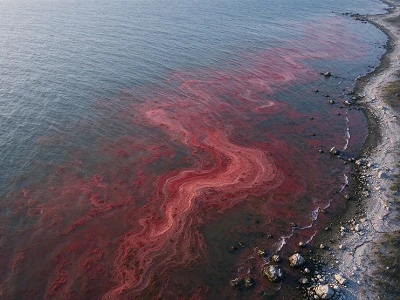
2. Effluent compliance requirements. Abnormal pH can disrupt the natural acid–base balance of receiving water bodies, inhibit the activity of self-purifying microorganisms, and threaten the survival of aquatic organisms.
Common methods for pH adjustment mainly involve dosing acidic or alkaline substances into wastewater, such as caustic soda flakes, lime, hydrochloric acid, and sulfuric acid. However, these acidic and alkaline substances are generally either hazardous chemicals or entail relatively high procurement and operating costs. In daily operations, pH adjustment is therefore mainly achieved by mixing acidic and alkaline wastewater streams from different factories to reduce costs.