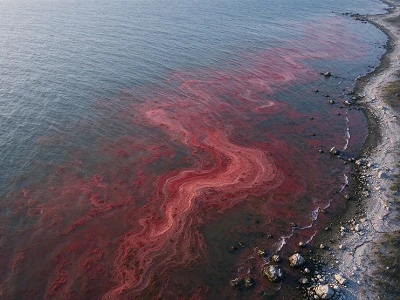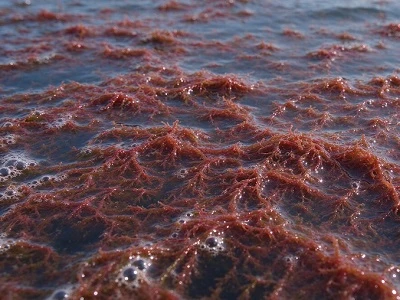
Excessive color levels are a common issue in wastewater, frequently encountered in industries such as textile printing and dyeing, food processing, coking, and chemical manufacturing. As a visually observable indicator, color is typically prioritized for resolution. The following are several commonly used treatment methods:
Flocculation Decolorization: This method involves the use of coagulants and flocculants to adsorb and flocculate the color-causing substances in wastewater, followed by solid-liquid separation to achieve decolorization. The decolorization effectiveness is moderate, but the cost is relatively low. When combined with sedimentation or dissolved air flotation processes, satisfactory results can be achieved.
Activated Carbon Decolorization: This method primarily utilizes the exceptionally high specific surface area of powdered activated carbon to adsorb and remove color-causing substances, followed by separation of the activated carbon from water to achieve decolorization. The decolorization performance is excellent; however, it is often used in conjunction with flocculants for solid-liquid separation, resulting in relatively high overall costs. The selection of this method should be based on site-specific conditions.

Oxidative Decolorization: This method mainly relies on the strong oxidizing properties of agents such as hydrogen peroxide and sodium hypochlorite to oxidize color-causing substances and achieve decolorization. The effectiveness is favorable; however, hydrogen peroxide and sodium hypochlorite are strong oxidants that pose certain safety risks and should be used with caution.
Reverse Osmosis Process: This method primarily utilizes the permeability of nanofiltration membranes to block the passage of color-causing substances, ensuring that the color level of the treated water meets discharge standards. The treatment performance is favorable; however, both equipment procurement and operational costs are relatively high. The selection of this method should be based on specific water quality indicators and operating conditions.