Coagulants have a wide range of applications, spanning sectors such as municipal water supply, industrial wastewater treatment, river remediation, and sludge dewatering. Examples include:
1. Municipal Water Supply: In water treatment plants, coagulants used in conjunction with disinfectants (such as sodium hypochlorite) effectively remove turbidity, color, and microorganisms from raw water. By optimizing coagulant dosage, a large-scale water plant reduced effluent turbidity from 3 NTU to below 0.5 NTU, significantly improving water supply quality.
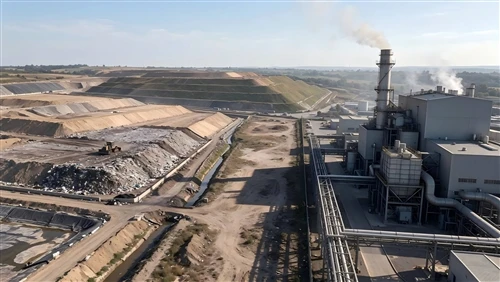
2. Industrial Wastewater Treatment: Wastewater from industries such as papermaking, printing and dyeing, and electroplating contains high levels of suspended solids and heavy metals. Coagulants aggregate and precipitate these pollutants through flocculation, thereby reducing the load on subsequent biological treatment processes. For instance, a printing and dyeing plant used polymeric ferric sulfate as a coagulant to reduce wastewater COD from 2,000 mg/L to 150 mg/L, meeting discharge standards.
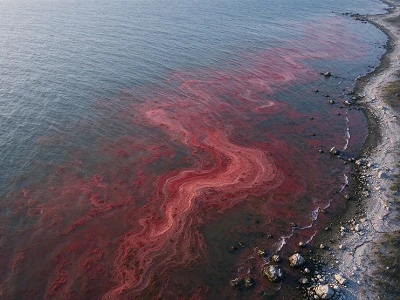
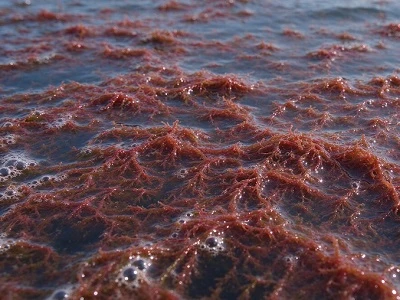
3. River Remediation: For eutrophic water bodies, coagulants can rapidly remove algae and phosphorus, inhibiting cyanobacterial blooms. In a municipal river remediation project, the regular dosing of coagulants improved water transparency from 0.3 meters to 1.5 meters, yielding significant ecological restoration results.
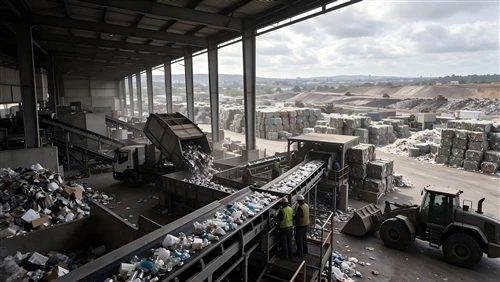
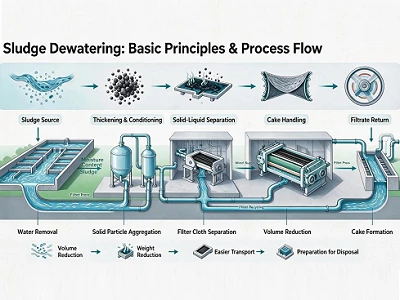
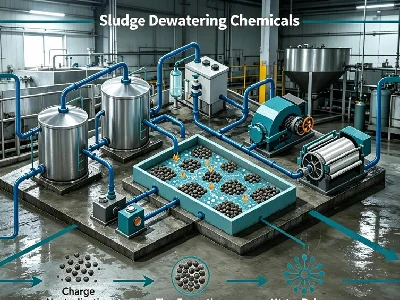
4. Sludge Dewatering: In wastewater treatment plants, coagulants used with belt filter presses can reduce sludge moisture content from 95% to below 60%, substantially lowering downstream disposal costs. By optimizing the coagulant formula, a wastewater treatment plant reduced sludge volume by 40%, saving over one million yuan annually in transportation costs.