-
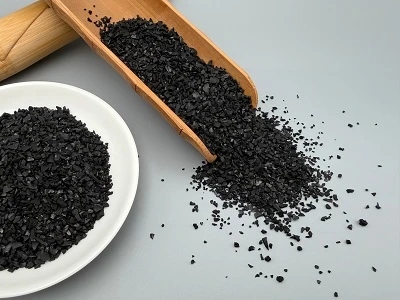
![Is activated carbon a pure substance or a mixture?]() Jul 10, 2026Is activated carbon a pure substance or a mixture?Activated carbon is a form of amorphous carbon; its primary component is graphite, though it also contains other impurities.view more
-
![Usage of Scale Inhibitors]() Jul 09, 2026Usage of Scale InhibitorsBefore initial use, the system must be thoroughly cleaned to remove existing scale and impurities.view more
-
![Types of Scale Inhibitors]() Jul 08, 2026Types of Scale InhibitorsCommon types of scale inhibitors currently on the market include organophosphonic acids, polycarboxylic acids, polyaspartic acids, and various polymerview more
-
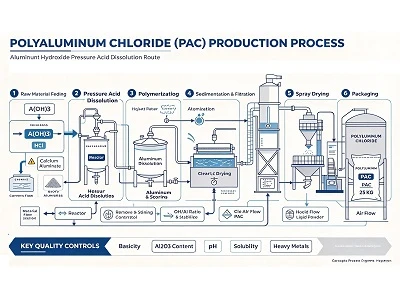
![Production Processes for Polyaluminum Chloride (PAC)]() Jul 07, 2026Production Processes for Polyaluminum Chloride (PAC)Simple process and low cost, but the product's basicity (B-value) is relatively low, typically 40%–60%.view more
-
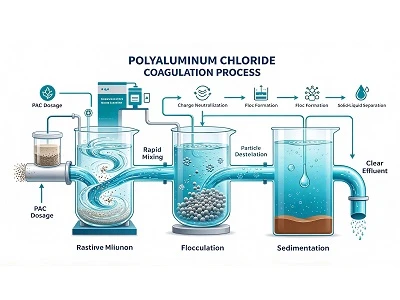
![Coagulation Process of Polyaluminum Chloride (PAC)]() Jul 06, 2026Coagulation Process of Polyaluminum Chloride (PAC)This involves injecting the chemical solution into the coagulation tank and rapidly mixing it with raw water to form micro-flocs within a very short tview more
-
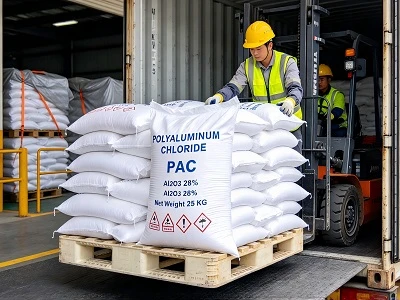
![Transportation of Polyaluminum Chloride]() Jul 05, 2026Transportation of Polyaluminum Chlorideit offers the advantage of convenient transportation without the need for tanker trucks. Its disadvantage is that it requires dilution before use, whiview more
-
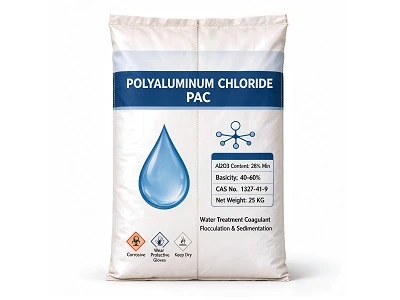
![Packaging and Precautions for Polyaluminum Chloride]() Jul 04, 2026Packaging and Precautions for Polyaluminum ChlorideHandle with care during loading and unloading. The shelf life of the solid product is one year.view more
-
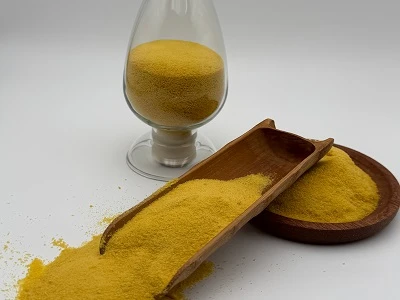
![Physical Properties of Polyaluminum Chloride (PAC)]() Jul 03, 2026Physical Properties of Polyaluminum Chloride (PAC)Polyaluminum chloride exhibits properties such as adsorption, coagulation, and precipitation.view more
-
![Application Scenarios for Coagulants]() Jul 02, 2026Application Scenarios for CoagulantsCoagulants have a wide range of applications, spanning sectors such as municipal water supply, industrial wastewater treatment, river remediation, andview more
-
![The Core Role of Coagulants: The Magic of Transforming Turbid to Clear]() Jul 01, 2026The Core Role of Coagulants: The Magic of Transforming Turbid to ClearCoagulants are categorized based on their composition into inorganic types (such as polyaluminum chloride and aluminum sulfate) and organic types (sucview more