In China, penalties for wastewater discharge exceedance are determined according to the duration and severity of the exceedance and whether the act was intentional. Common penalties are divided into administrative penalties, criminal penalties, and other penalties.
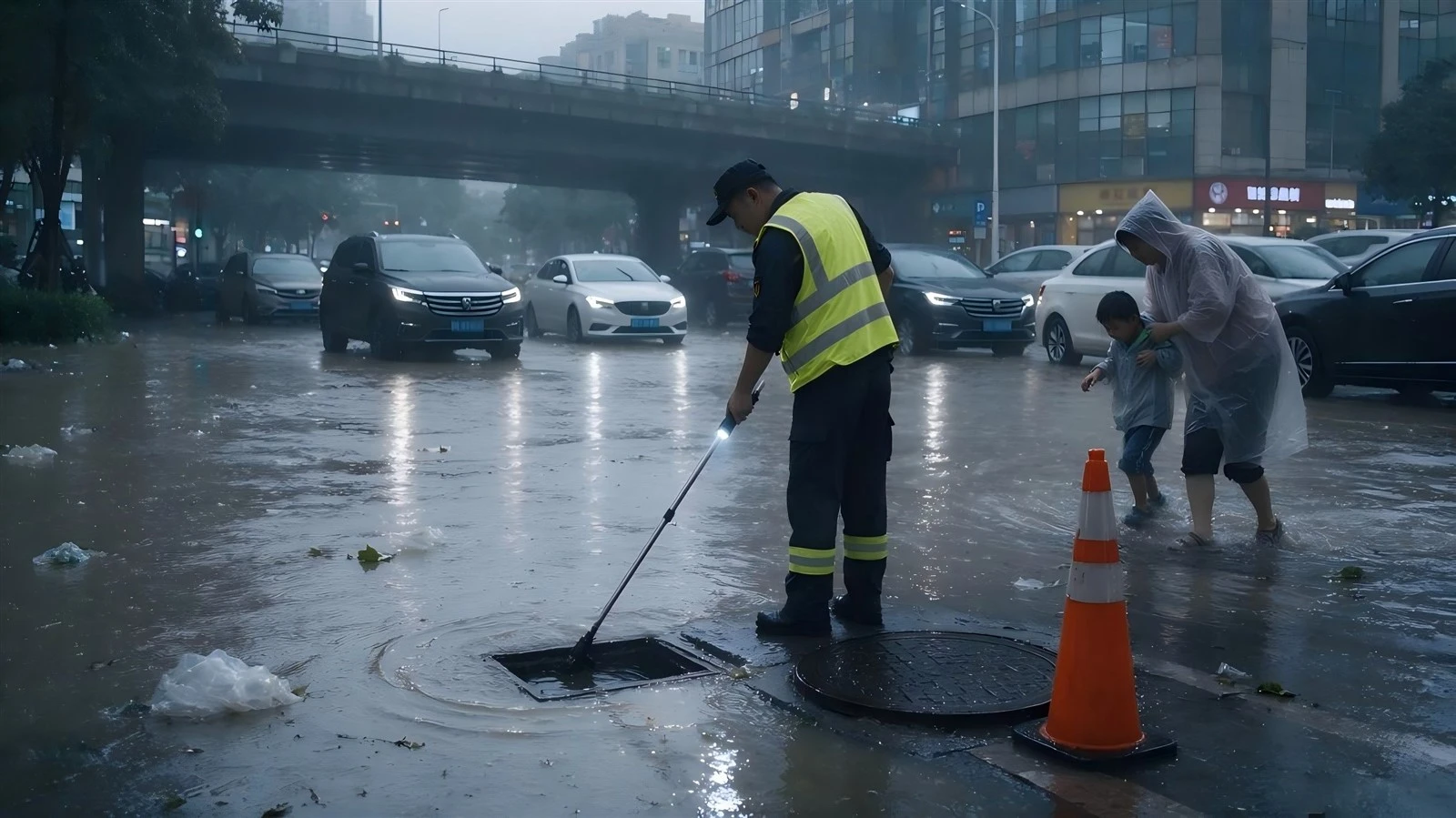
Administrative penalties: Under the Water Pollution Prevention and Control Law of the People's Republic of China and the Ecological Environment Code of the People's Republic of China, effective August 15, 2026, an enterprise that discharges wastewater exceeding the water pollutant discharge standards shall be penalized by the competent ecological environment department of the people's government at or above the county level. The department shall order correction or restriction or suspension of production for rectification, and impose a fine of not less than RMB 100,000 and not more than RMB 1 million. If the circumstances are serious, upon approval by the people's government with approval authority, the enterprise shall be ordered to suspend business or close down.
Criminal liability: For serious discharge exceedance that constitutes a crime, criminal liability for the crime of environmental pollution shall be pursued under Article 338 of the Criminal Law of the People's Republic of China. Under the judicial interpretation of the Supreme People's Court and the Supreme People's Procuratorate, amended and effective March 30, 2026, the following circumstances shall be identified as "seriously polluting the environment." Such conduct shall be punishable by fixed-term imprisonment of not more than three years or criminal detention, and concurrently or independently by a fine:
1. Discharging, dumping, or disposing of toxic substances in key protected areas such as drinking water source protection areas and core protection areas of nature reserves;
2. Illegally discharging, dumping, or disposing of hazardous waste of 3 tonnes or more;
3. Discharging heavy metal pollutants such as lead, mercury, cadmium, chromium, and arsenic, exceeding the standard by 3 times or more;
4. Discharging pollutants such as nickel, copper, and zinc, exceeding the standard by 10 times or more;
5. Discharging toxic substances through concealed pipes, seepage wells, seepage pits, or other means of evading supervision.
6. If the circumstances are especially serious, the offender may be sentenced to fixed-term imprisonment of not less than seven years, together with a fine.
Other related penalties:
Discharging wastewater without obtaining a drainage permit: The violator is subject to a fine of not more than RMB 500,000. If discharge does not comply with permit requirements, the violator is subject to a fine of not more than RMB 50,000; if serious consequences are caused, the permit shall be revoked and a fine of RMB 50,000 to RMB 500,000 shall be imposed.
Discharging pollutants into the sea: Penalties shall be imposed under the Marine Environment Protection Law. For example, a shipping company in Dalian was fined RMB 47,000 for illegally discharging domestic sewage.
Discharging wastewater exceeding the applicable standards into forest land: Penalties shall be imposed under the Soil Pollution Prevention and Control Law.