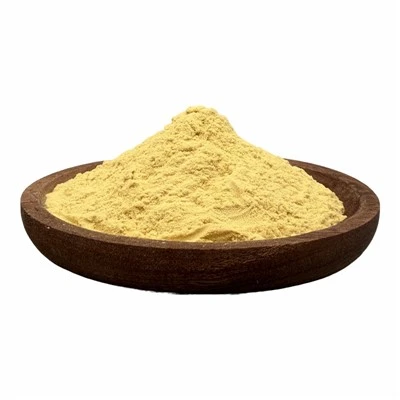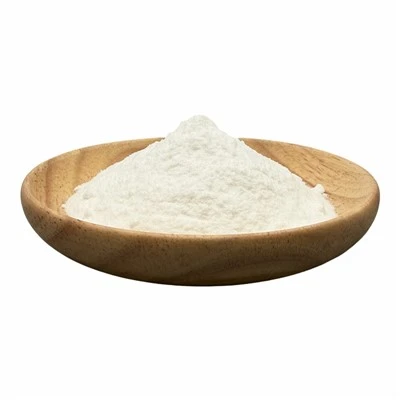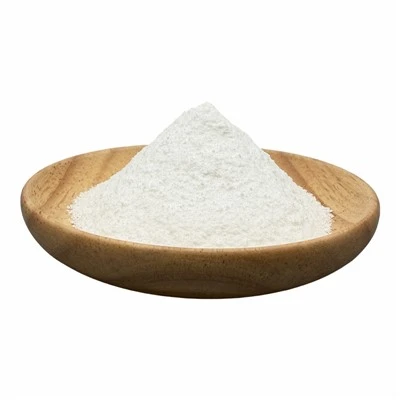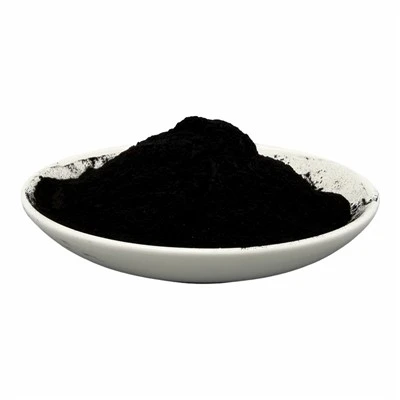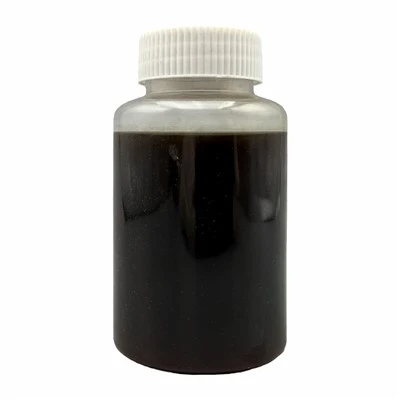
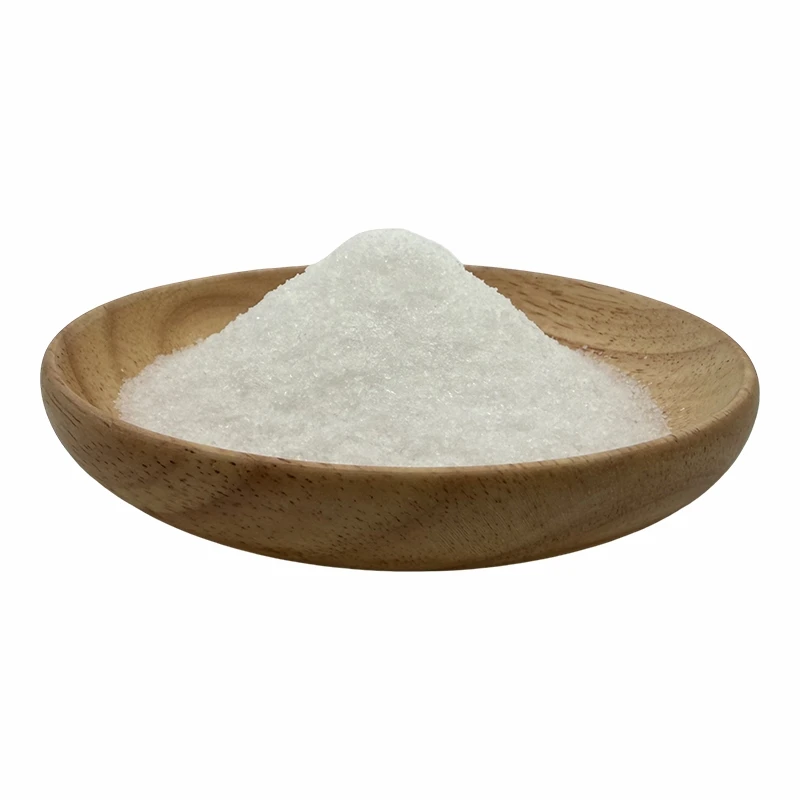
Polyacrylamide (abbreviated as PAM), along with its derivatives, is collectively referred to as polyacrylamide. The molecular formula of pure polyacrylamide is (CH₂CHCONH₂)ₙ, with CAS No. 9003-05-8. It is a widely used linear polymeric organic flocculant, capable of achieving molecular weights exceeding 30 million Daltons.
Based on variations in raw materials, manufacturing processes, and performance parameters, polyacrylamide used in wastewater treatment is generally classified into three categories: Nonionic Polyacrylamide (abbreviated as NPAM), Anionic Polyacrylamide (APAM), and Cationic Polyacrylamide (CPAM). In wastewater treatment applications, PAM achieves efficient flocculation and sedimentation through charge adsorption and ultra-high molecular weight bridging and entrapment effects. When used in conjunction with inorganic coagulants such as Polyaluminum Chloride (PAC), PAM enables faster settling rates, clearer effluent quality, and reduced suspended solids and turbidity.
Nonionic and Anionic Polyacrylamides
Nonionic and Anionic Polyacrylamides carry negative charges upon dissolution in water, and therefore find application in similar treatment scenarios, including mining, metal processing, ceramics, construction, and photovoltaic (solar) manufacturing, where inorganic suspended solids predominate. Their specifications are also comparable, classified by degree of hydrolysis - defined as the percentage of amide groups (-CONH₂) converted to carboxyl groups (-COO⁻) within the polymer chain, which directly determines charge density and molecular chain extension. Products with a degree of hydrolysis below 10% are classified as Nonionic Polyacrylamide, while those exceeding 10% are designated as Anionic Polyacrylamide.
Our company manufactures and supplies Nonionic and Anionic Polyacrylamides that comply with the Grade I Product requirements as specified in the Chinese standard GB/T 17514-2017 Water Treatment Chemicals - Anionic and Nonionic Polyacrylamides.
Nonionic and Anionic Polyacrylamides – Test Results
|
Item |
Unit |
Specification |
Test Result |
|
Appearance |
/ |
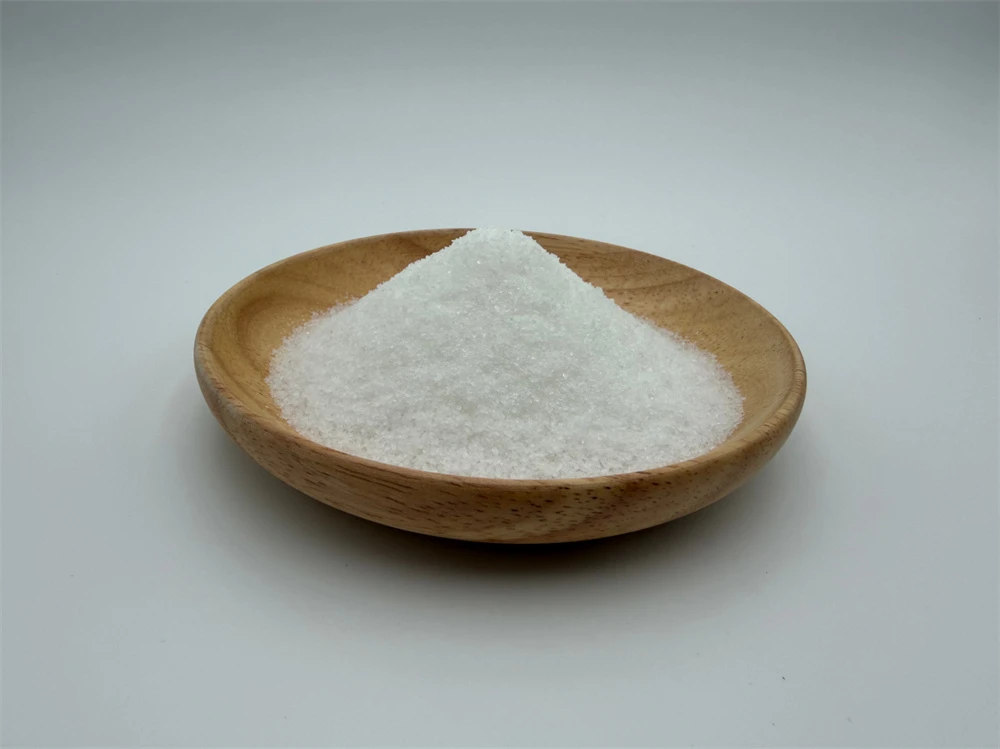
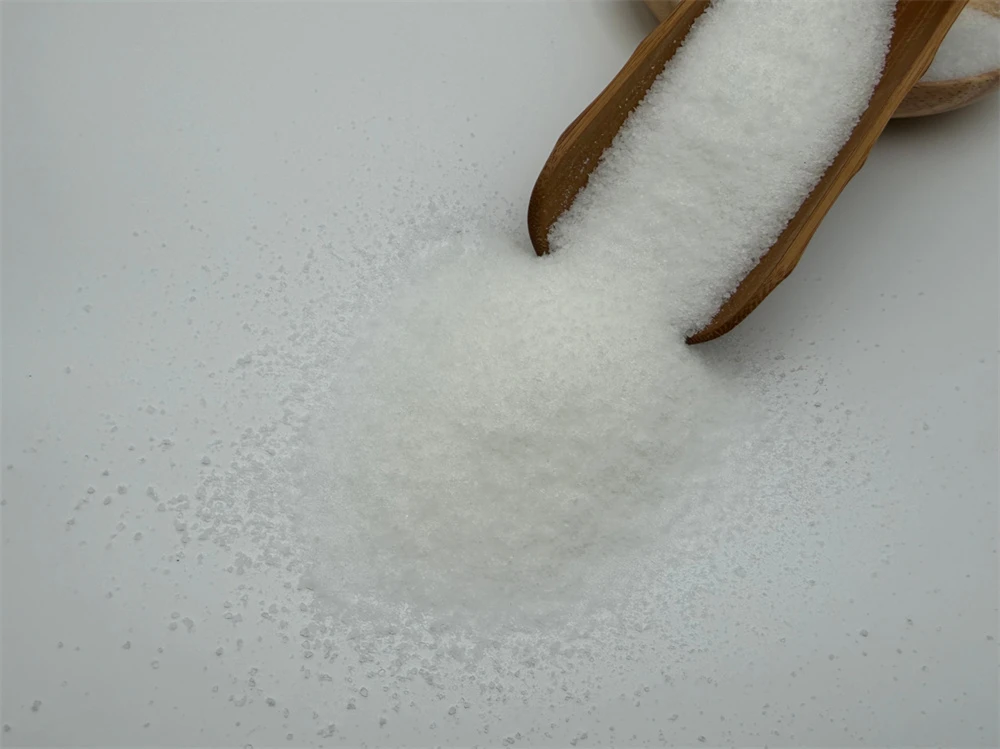
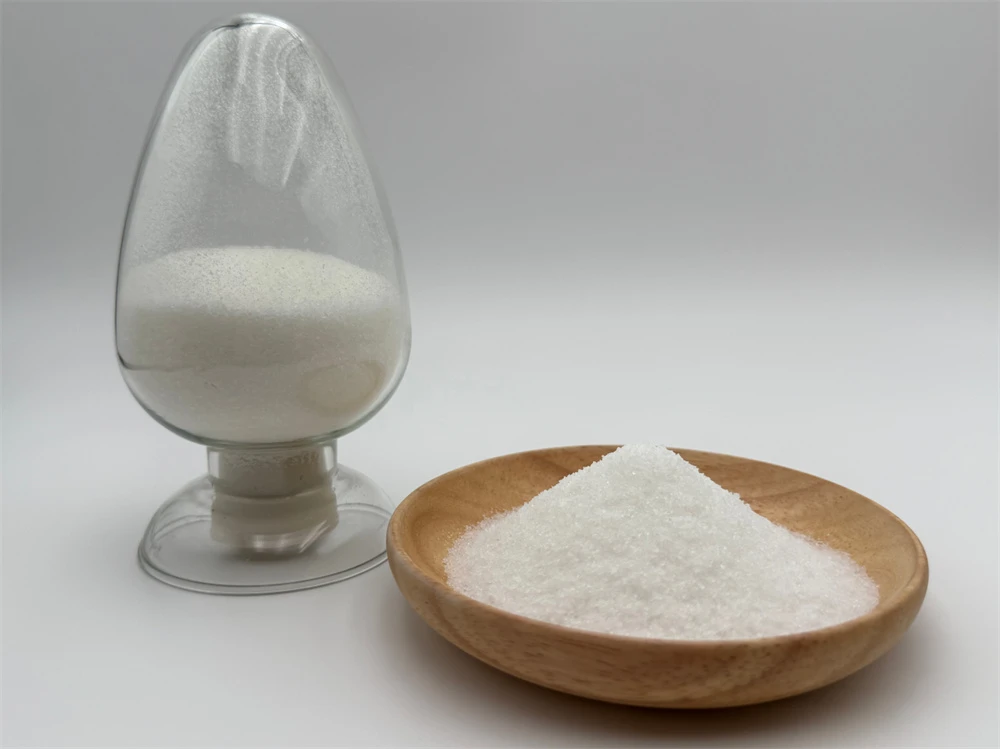
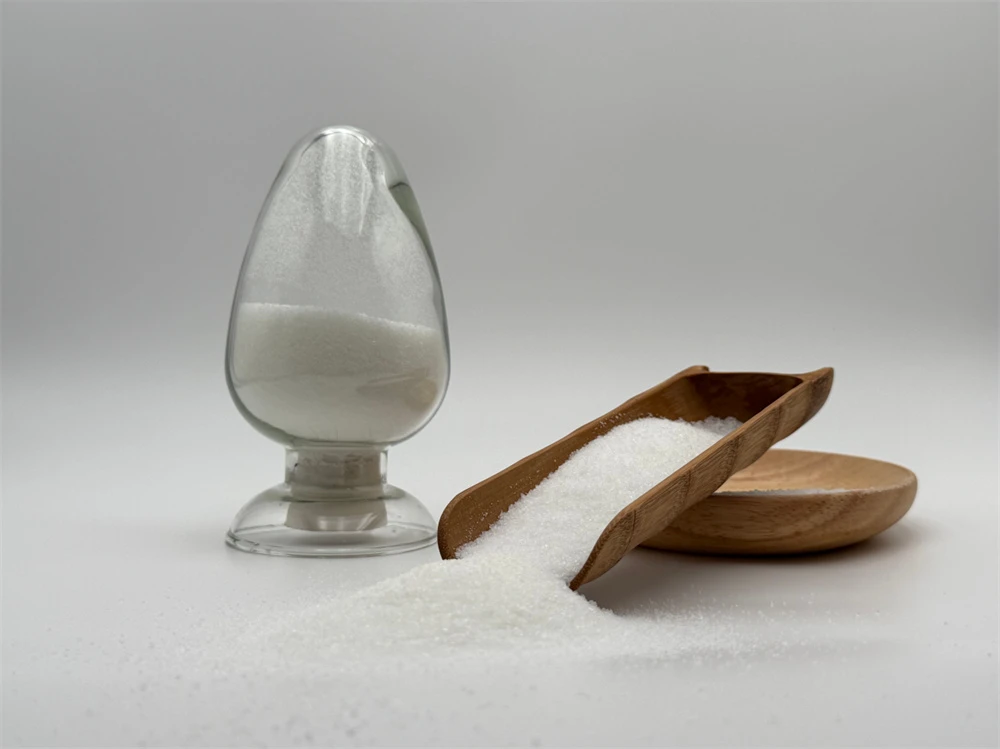
White granules |
White granules |
|
Acrylamide Monomer Conten |
% |
≤ 0.02 |
0.0035 |
|
Solid Contentles |
% |
≥ 90 |
90.4 |
|
Ammonia Nitrogen |
% |
≤ 0.05 |
0.00246 |
|
Water-Insoluble Matter |
% |
≤ 0.3 |
0.19 |
|
Dissolution Time (Anionic Type |
min |
≤ 60 |
51 |
|
Dissolution Time (Nonionic Type) |
min |
≤ 90 |
55 |
|
Screen Residue (1 mm mesh) |
% |
≤ 2 |
0.95 |
|
Screen Residue (180 µm mesh) |
% |
≥ 88 |
89.3 |
|
Chloride Content |
% |
≤ 0.5 |
0.27 |
|
Sulfate Content |
% |
≤ 1 |
0.36 |
Cationic Polyacrylamide
Cationic Polyacrylamide (abbreviated as CPAM), upon dissolution in water, carries a high density of positive charges. It is therefore predominantly applied in wastewater treatment scenarios characterized by high organic matter content, including but not limited to livestock farming, slaughterhouse operations, food processing, chemical manufacturing, and petroleum refining industries, as well as in conventional sludge dewatering and conditioning processes. The ionic degree - defined as the proportion of cationic monomer units within the polymer chain - can be tailored across a range of 10–80%.
Our company manufactures and supplies Cationic Polyacrylamide that complies with the Qualified Product requirements as specified in the Chinese standard GB/T 31246-2025 Water Treatment Chemicals - Cationic Polyacrylamides.
|
Item |
Unit |
Specification |
Test Result |
|
Appearance |
/ |
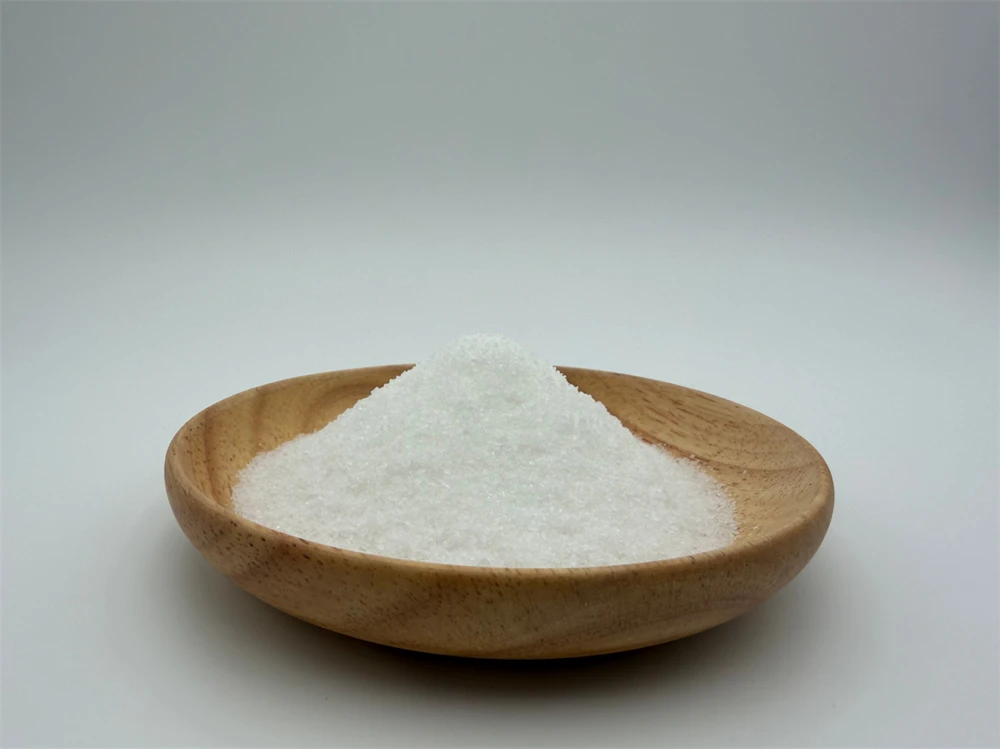
White granules |
White granules |
|
Solid Contentles |
% |
≥ 90 |
90.3 |
|
Intrinsic Viscosity (30°C) |
/ |
≥ 3.0 |
4.2 |
|
Cationic Degree |
% |
3-95 |
10-18 |
|
Water-Insoluble Matter |
% |
≤ 0.2 |
0.07 |
|
Dissolution Time |
min |
≤ 60 |
54 |
|
Acrylamide Monomer Content |
min |
≤ 0.1 |
0.028 |
|
Screen Residue (1.7mm mesh) |
% |
≤ 5 |
2.37 |
|
Screen Residue (180 µm mesh) |
% |
≥ 85 |
86.8 |
|
Residue on Ignition |
% |
≤ 2.5 |
1.08 |
Hot Tags: polyacrylamide(pam), China polyacrylamide(pam) manufacturers, suppliers, factory